

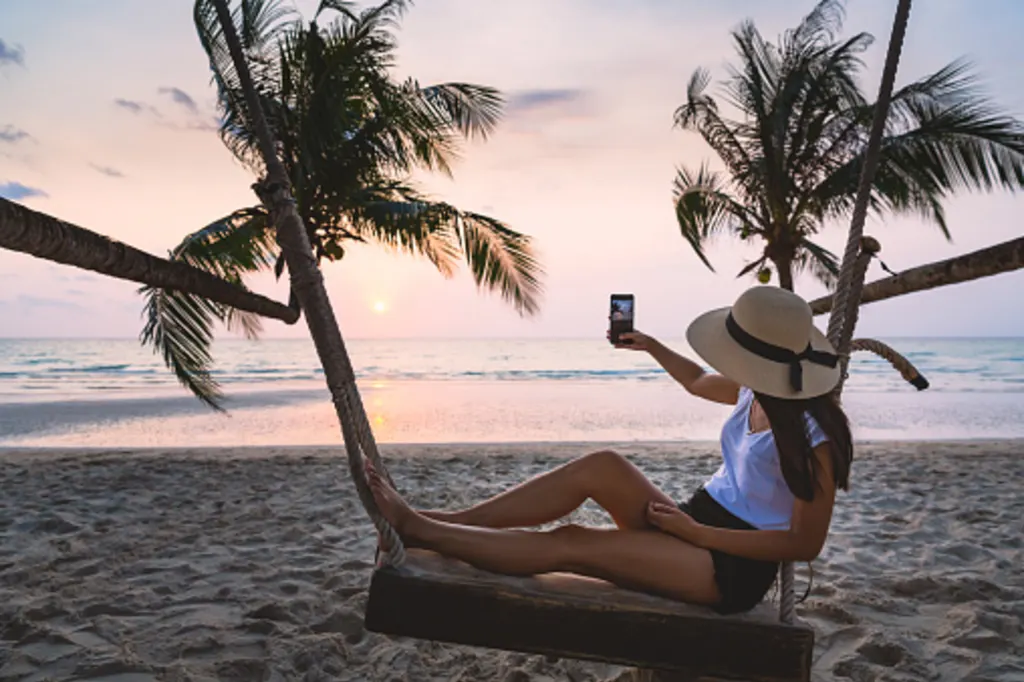
The global tourism industry has undergone a radical structural transformation over the past two decades. Historically, planning a vacation involved visiting a brick-and-mortar travel agency, browsing printed brochures, or consulting thick guidebooks. Today, the consumer journey begins on a smartphone screen. Social media platforms have completely dismantled traditional information networks, transforming from simple digital photo albums into the primary engines driving global travel inspiration, research, and booking behaviors.
The relationship between social media and tourism is deeply psychological and behavioral. Visual-heavy networks create continuous streams of curated imagery that alter consumer desires, reshape local economies, and dictate the global flow of tourist traffic. Understanding how these digital ecosystems influence decision-making requires analyzing the entire travel lifecycle, from initial inspiration to real-time sharing and post-trip reflection.
Shifting from Destination Research to Visual Inspiration
The traditional model of travel planning was highly analytical, prioritizing logistics, pricing, and textbook historical summaries. Social media shifts the consumer focus from cognitive analysis to immediate emotional aspiration.
The Power of Short-Form Video and High-Resolution Imagery
Human beings are naturally visual communicators. Algorithms on platforms like Instagram, TikTok, and YouTube prioritize high-saturation photographs and short-form immersive videos displaying remote beaches, hidden waterfalls, and unique hotel interiors. When a user scrolls through their feed, they are exposed to a seamless loop of idealized travel experiences. This continuous exposure triggers a phenomenon known as wanderlust, producing a powerful desire to replicate the visual narrative on the screen.
Bypassing Traditional Information Filters
Modern travelers frequently distrust corporate advertising campaigns and generic tourism board copy, viewing them as heavily biased marketing efforts. Social media allows consumers to bypass these corporate filters entirely. By searching specific hashtags or location tags, prospective tourists can review real-time footage posted by everyday travelers who are physically present at the destination. This peer-to-peer data sharing provides an organic look at real weather conditions, true crowd sizes, and the authentic quality of local attractions.
The Rise of Geotagging and the Hidden Gem Phenomenon
The integration of Global Positioning System location tags within social media posts, commonly known as geotagging, has fundamentally changed how physical destinations gain prominence.
Historically, a remote village or a secluded natural landmark remained isolated because map coordinates were difficult to access without specialized regional knowledge. Today, a single viral video featuring a geotag can turn an obscure location into an international tourist destination overnight. While this rapid exposure democratizes tourism revenues, it introduces massive logistical and structural challenges for local communities:
-
The Overtourism Crisis: Small, fragile ecosystems lacking public restrooms, parking infrastructure, or waste management services can be completely overwhelmed by sudden influxes of thousands of weekend visitors aiming to capture an identical photograph.
-
Environmental Degradation: Deliberate trespassing on protected lands, destruction of native flora, and wildlife disruption often escalate as visitors prioritize digital content creation over environmental conservation.
-
Economic Distortion: While local hotels and cafes benefit from increased consumer traffic, neighborhood housing markets can suffer from inflation as properties transition into short-term vacation rentals for digital tourists.
Influence Optimization and the Evolution of Trust
As social media matured, it birthed a specialized corporate economy centered around travel influencers and content creators. These individuals wield immense power over consumer booking habits by blending personal narrative with commercial promotion.
The Shift Toward Micro-Influencer Credibility
In the early days of influencer marketing, brands focused entirely on top-tier celebrities boasting millions of followers. However, modern consumer patterns show that high follower counts do not automatically translate into strategic trust. Contemporary travelers frequently find greater authenticity in micro-influencers, individuals with smaller, highly specialized digital communities ranging from ten thousand to one hundred thousand followers. These creators often provide niche travel expertise, such as budget backpacking tips, solo female transit advice, or culinary exploration guides, fostering deeper levels of consumer trust and higher conversion rates.
The Dynamic of User-Generated Content
User-generated content refers to any un-sponsored content posted organically by everyday consumers. When a person sees their close friend, coworker, or family member posting a real-time story from a specific resort or dining at a particular local eatery, the psychological impact is profound. This social proof functions as a digital word-of-mouth recommendation. It lowers the perceived risk of an unfamiliar destination, validating the quality of the experience and accelerating the viewer’s decision to book a similar itinerary.
Transforming the On-Trip and Post-Trip Experience
The behavioral influence of social media does not terminate once a traveler purchases their airline tickets and checks into their accommodation. The digital ecosystem actively shapes the real-time execution of the trip itself.
Modern tourists routinely curate their daily vacation schedules based on the photographic potential of the environment, a practice referred to as traveling for the grid. Hospitality brands, restaurants, and municipal city centers now intentionally redesign their physical spaces to include aesthetic backdrops, custom neon signage, and stylized lighting to encourage guests to geotag their business.
When a traveler publishes content during their vacation, they receive immediate social validation via digital interactions. This real-time feedback loop turns the traveler into an active marketer for the destination, ensuring the cycle of inspiration continues for their own digital network long after the journey concludes.
Frequently Asked Questions
What is the concept of instagrammability and how does it influence modern hospitality design?
Instagrammability describes how visually appealing a physical object, dish, or location is when captured on a digital smartphone camera. To leverage this trend, modern boutique hotels and restaurants intentionally collaborate with interior designers to build highly photogenic spaces. They incorporate elements like bold statement walls, artistic floor tiling, unique plating presentations, and flattering ambient lighting, ensuring that guests feel compelled to photograph the venue and share it online.
How can travelers protect themselves from deceptive or heavily edited travel content on social media?
To avoid falling victim to heavily edited digital illusions, consumers should always cross-reference social media imagery with objective third-party platforms. Check independent review websites, read unedited community forum threads, and examine recent satellite imagery via digital mapping tools. Additionally, search for the destination on social platforms using the most recent filter rather than the top or popular tab, which exposes unedited, raw footage uploaded by regular people.
Why does social media often cause a phenomenon known as fear of missing out among travelers?
The fear of missing out is a psychological anxiety triggered by viewing curated highlights of other people’s lives. Social media feeds display a continuous stream of peers enjoying luxury vacations, scenic excursions, and unique cultural experiences. This concentrated display of leisure creates an illusion that everyone else is living a more adventurous life, prompting individuals to book vacations impulsively to validate their own social status.
How are national tourism boards altering their budgets to adapt to social media trends?
National and municipal tourism boards are shifting massive percentages of their marketing capital away from legacy print, television, and billboard advertisements toward digital creator partnerships and targeted social ad placement. By funding content creator trips and launching interactive digital challenges, tourism boards can reach hyper-targeted niche demographics based on specific user interests, maximizing their marketing efficiency.
What are sustainable geotagging practices and how do they protect local environments?
Sustainable geotagging involves intentionally omitting precise geographic coordinates from social media posts when sharing photographs of fragile natural ecosystems, hidden wilderness areas, or small cultural heritage sites. Instead of tagging the exact trail or landmark, creators utilize broad regional tags, such as the state or country name. This practice allows users to share visual art without directing unmanaged masses of traffic to a vulnerable ecosystem.
Can social media trends cause a sudden shift in airline route mapping and flight pricing?
Yes. When an obscure destination goes viral on short-form video platforms, global consumer search volume for that specific region surges within days. Airline algorithms track these real-time search spikes and search velocities. If the high demand persists, commercial carriers will adjust their ticket prices upward or introduce entirely new seasonal flight paths to capitalize on the sudden tourist interest.
