

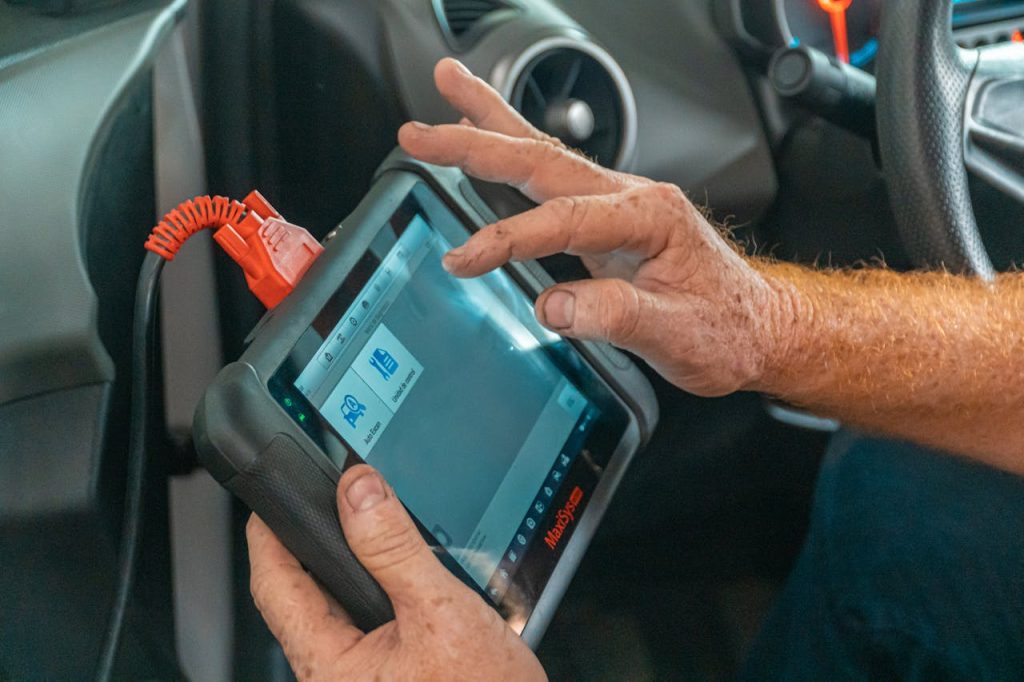
The auto repair industry is undergoing a profound transformation driven by technological innovation. Among the most significant advancements are Artificial Intelligence (AI) and Machine Learning (ML), which are reshaping the way auto repair software operates. These technologies provide shop owners and technicians with unprecedented tools to improve efficiency, reduce errors, enhance customer experience, and optimize business performance. Understanding how AI and ML are applied in auto repair software is essential for multi-location shop owners seeking to modernize operations and stay competitive.
The Role of AI and Machine Learning in Modern Auto Repair
AI and ML involve systems that can learn from data, identify patterns, and make predictive decisions with minimal human intervention. In the context of auto repair software, these technologies enable smarter decision-making, automation of repetitive tasks, and predictive insights that improve both operational efficiency and customer satisfaction.
Key applications include:
- Predictive Maintenance: Identifying potential vehicle issues before they become critical problems.
- Workflow Automation: Streamlining scheduling, inventory management, and customer communication.
- Data Analysis and Insights: Providing actionable business intelligence from historical repair data and operational metrics.
- Enhanced Diagnostics: Supporting technicians in accurately identifying issues through AI-driven troubleshooting.
These capabilities allow auto repair shops to operate more efficiently and provide a higher level of service to customers.
Predictive Maintenance and Diagnostics
AI-powered auto repair software can analyze vehicle data to predict potential mechanical failures before they occur:
- Sensor Data Analysis: Modern vehicles generate vast amounts of data from sensors. AI algorithms analyze patterns to detect early warning signs of component failure.
- Historical Data Comparison: Machine learning compares new vehicle data to historical repair records, identifying recurring issues and predicting likely repairs.
- Reduced Downtime: By predicting maintenance needs, shops can schedule proactive repairs, reducing customer wait times and emergency repair incidents.
- Accurate Diagnostics: AI-assisted diagnostic tools guide technicians to probable causes of problems, improving repair accuracy and reducing trial-and-error approaches.
This predictive capability not only improves service quality but also enhances customer trust, as proactive maintenance reduces unexpected breakdowns.
Workflow Automation and Efficiency
AI and ML also revolutionize internal shop operations by automating repetitive administrative tasks:
- Smart Scheduling: AI tools analyze technician availability, skill sets, and repair complexity to optimize appointment allocation across multiple locations.
- Inventory Management: Predictive algorithms forecast parts demand based on historical usage, upcoming appointments, and seasonal trends, reducing overstocking and shortages.
- Automated Customer Communication: AI-driven messaging systems send appointment reminders, service updates, and follow-ups, improving engagement and reducing no-shows.
- Task Prioritization: Software can automatically prioritize urgent repairs and allocate resources efficiently, ensuring timely service delivery.
By automating these workflows, shop owners can focus on higher-value activities such as customer service and strategic planning.
Enhanced Business Analytics
Machine learning algorithms extract actionable insights from operational and customer data, empowering shop owners to make informed decisions:
- Revenue Forecasting: AI analyzes historical revenue patterns and seasonal trends to predict future cash flow and inform budgeting decisions.
- Performance Metrics: Track technician efficiency, repair times, and location performance across multiple shops.
- Customer Behavior Analysis: Understand customer preferences, repeat service patterns, and loyalty trends to tailor marketing strategies.
- Optimization Opportunities: Identify areas where efficiency can be improved, such as reducing parts wastage or balancing technician workloads.
These insights allow multi-location operators to manage their business with precision, ensuring all locations meet operational and financial goals.
AI-Powered Customer Experience
Customer expectations are evolving, and AI helps auto repair shops deliver personalized and consistent experiences:
- Personalized Recommendations: Based on vehicle history, AI suggests preventive maintenance or additional services relevant to the customer’s vehicle.
- Quick Service Estimates: Machine learning models analyze past repair data to provide accurate cost and time estimates, improving transparency and trust.
- Automated Feedback Analysis: AI tools monitor customer reviews and feedback, detecting sentiment trends and areas needing improvement.
- 24/7 Virtual Assistance: AI chatbots provide customers with appointment scheduling, service queries, and updates outside of business hours.
Enhancing the customer experience through AI not only increases satisfaction but also encourages repeat business and loyalty.
Predictive Staffing and Resource Allocation
Machine learning also supports multi-location staffing and resource management:
- Technician Allocation: Predictive models assign technicians to jobs based on skill level, availability, and historical performance, ensuring efficient use of labor.
- Workload Balancing: AI can redistribute appointments across locations to optimize service capacity and reduce bottlenecks.
- Training Needs Assessment: By analyzing repair patterns and error rates, AI identifies skill gaps and recommends targeted training programs for staff.
- Resource Forecasting: AI predicts parts and equipment needs for upcoming appointments, reducing downtime and delays.
Optimizing staffing and resources ensures all locations operate efficiently, improving profitability and service consistency.
Real-Life Examples of AI in Auto Repair
Several multi-location auto repair shops have successfully implemented AI-driven software with measurable results:
- Predictive Maintenance Implementation: Shops using AI to forecast vehicle maintenance reduced repeat visits by 20% and improved customer retention.
- Workflow Optimization: Multi-location operators employing AI scheduling saw a 30% reduction in technician idle time and improved appointment adherence.
- Enhanced Diagnostics: AI-assisted diagnostics shortened repair times by an average of 25%, allowing shops to serve more customers without compromising quality.
- Customer Experience Improvements: Automated AI-driven communication systems reduced no-shows by 15% and increased overall customer satisfaction scores.
These examples demonstrate the tangible benefits of integrating AI and ML into auto repair operations.
Challenges and Considerations
While AI and ML offer significant advantages, implementing these technologies requires careful planning:
- Data Quality: AI relies on accurate and consistent data. Shops must ensure historical repair records, vehicle information, and customer data are reliable.
- Integration Complexity: AI systems must integrate with existing management software, CRM, inventory, and accounting tools.
- Training and Adoption: Staff must be trained to utilize AI tools effectively, ensuring adoption and maximizing benefits.
- Cost Considerations: While AI can improve efficiency and profitability, upfront investment in software and infrastructure may be substantial.
Addressing these challenges strategically ensures successful adoption and long-term benefits.
Best Practices for Implementing AI in Auto Repair Software
To maximize the benefits of AI and ML, multi-location auto repair shops should consider the following best practices:
- Start with Key Use Cases: Focus on areas like predictive maintenance, workflow automation, and customer communication for initial implementation.
- Centralize Data Management: Consolidate vehicle, customer, and operational data to ensure AI algorithms have accurate and comprehensive information.
- Monitor and Adjust: Continuously track AI-generated recommendations and outcomes to refine algorithms and improve performance.
- Train Staff Effectively: Provide training sessions and support to help technicians and managers utilize AI tools efficiently.
- Scale Gradually: Implement AI features incrementally across locations to manage adoption challenges and ensure smooth integration.
FAQ
Q: How does AI improve diagnostic accuracy in auto repair?
A: AI analyzes historical repair data and sensor inputs to suggest the most likely causes of vehicle issues, reducing trial-and-error diagnostics and saving time.
Q: Can AI software predict future repair needs for customers?
A: Yes, predictive maintenance algorithms analyze vehicle history, usage patterns, and sensor data to forecast potential issues before they occur.
Q: Is AI only beneficial for large multi-location shops?
A: No, even small and medium-sized auto repair shops can benefit from AI-driven scheduling, inventory management, and customer communication.
Q: How do AI tools enhance customer satisfaction?
A: AI provides accurate service estimates, proactive maintenance recommendations, automated updates, and personalized service suggestions, improving overall customer experience.
Q: What are common challenges when adopting AI in auto repair software?
A: Challenges include ensuring data accuracy, integrating AI with existing systems, training staff effectively, and managing initial implementation costs.
AI and machine learning are revolutionizing the auto repair industry by transforming software capabilities. From predictive maintenance and diagnostic accuracy to workflow automation, customer experience, and performance analytics, AI empowers multi-location operators to optimize operations, enhance service quality, and improve profitability. By adopting AI strategically and integrating it with existing systems, auto repair shops can achieve operational excellence and sustain growth in a competitive marketplace.
