

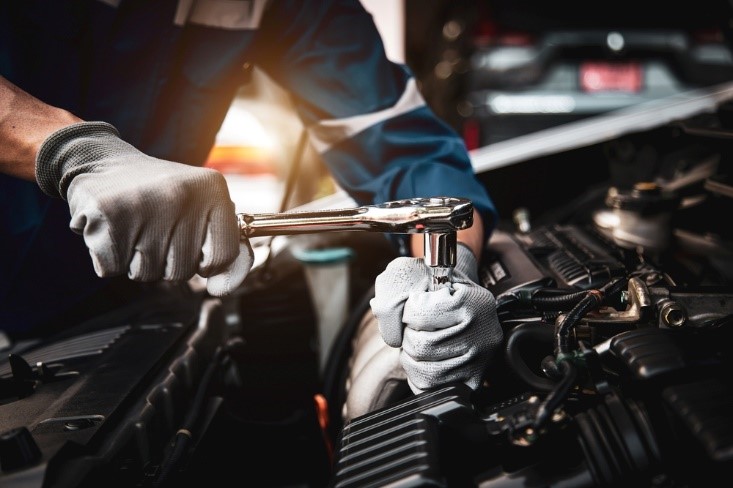
For many automobile owners, scheduling a service appointment is an inconvenient task that is frequently delayed until a warning light illuminates the dashboard. It is easy to view routine inspections, fluid flushes, and component replacements as unnecessary immediate expenditures. However, treating vehicle upkeep as an optional, reactive chore rather than a proactive investment is a costly financial mistake.
A vehicle is a complex machine composed of thousands of moving parts operating under high temperatures, intense friction, and constant vibration. Over time, components naturally degrade. When routine maintenance is ignored, minor wear and tear escalates into catastrophic mechanical failure. By understanding the long-term financial mechanics of automotive care, owners can transition from expensive crisis management to predictable, low-cost preventative budgeting.
Preventing Catastrophic Engine and Transmission Failures
The most direct financial benefit of regular maintenance is avoiding the extreme costs associated with repairing or replacing major drivetrain components. The engine and transmission are the most expensive systems in any vehicle, and their failure can easily result in financial bills that exceed the actual market value of the car.
The True Cost of Neglecting Engine Oil
Engine oil reduces friction between rapidly moving internal components, prevents heat buildup, and captures microscopic metal debris. As oil ages, it absorbs combustion byproducts, loses its viscosity, and transforms into a thick, tar-like sludge.
If you fail to change your oil at the manufacturer recommended intervals, this sludge blocks vital oil pathways, starving the engine of lubrication. The resulting metal-on-metal friction can warp cylinders, destroy bearings, and ultimately seize the entire engine block. While a routine oil change costs a modest amount, replacing a completely ruined engine can easily cost thousands of dollars.
Protecting the Transmission System
Transmission fluid cools and lubricates the intricate gear systems that transfer power from the engine to the wheels. Over extended mileage, the fluid becomes contaminated with microscopic metal shavings and friction material.
Neglecting transmission fluid changes causes the internal gears to slip, shift harshly, or overheat. Rebuilding or replacing a modern automatic or continuously variable transmission is one of the most labor-intensive and expensive procedures an automotive shop can perform, making routine fluid checks a vital financial safeguard.
Maximizing Fuel Efficiency and Minimizing Daily Operating Costs
Regular vehicle maintenance does not just prevent rare, worst-case scenarios; it also lowers your daily cost of ownership by keeping your fuel economy at peak efficiency. When vehicle systems are neglected, the engine must work harder and burn more fuel to cover the same distance.
Spark Plugs and Engine Air Filters
An internal combustion engine requires a precise mixture of clean air and fuel, ignited by a clean electrical spark. Over time, engine air filters become clogged with dust, dirt, and highway debris, restricting the flow of oxygen into the combustion chambers.
Simultaneously, spark plug electrodes erode, causing minor engine misfires and incomplete fuel combustion. Replacing a dirty air filter and installing fresh spark plugs restores optimal airflow and combustion efficiency, instantly lowering your monthly gasoline expenditures.
Tire Rolling Resistance and Alignment
Tires play a massive role in fuel consumption. Driving on underinflated tires increases the surface area of the rubber contacting the pavement, creating excessive rolling resistance. This forces the engine to burn more fuel to maintain high highway speeds.
Furthermore, poor wheel alignment causes the tires to drag unevenly against the road surface instead of rolling smoothly. Keeping your tires properly inflated and scheduling regular wheel alignments ensures your vehicle glides efficiently, protecting your wallet at the fuel pump.
Extending the Lifespan of Consumable Components
Many parts of a vehicle are designed to wear out slowly over time to protect more permanent, expensive structural systems. Replacing these consumable components early prevents them from damaging adjacent hardware.
-
Brake Pad and Rotor Preservation: Brake pads feature a sacrificial friction material that wears down every time you press the pedal. If you delay replacing worn brake pads, the underlying metal backing plate will grind directly against the brake rotors. This metal-on-metal contact scores and warps the expensive rotors, forcing you to pay for a full rotor replacement instead of a simple, affordable pad swap.
-
Tire Rotation Consistency: Front tires wear out at a different rate than rear tires due to the weight of the engine and the forces of steering. Rotating your tires every six thousand miles spreads this physical wear evenly across all four tires. This simple practice extends the collective lifespan of your tire set, delaying the need to invest in a brand-new set of tires.
Preserving the Vehicle Resale and Trade-In Value
Every automobile experiences depreciation, but the speed at which it loses value is heavily dictated by its service history. When the time comes to sell your vehicle or trade it in at a dealership, a documented history of regular maintenance functions as a valuable financial asset.
Prospective buyers and dealership appraisers routinely pull vehicle history reports to check for signs of past neglect. A car with a clean, continuous record of scheduled dealership services commands a premium price on the secondary market. Conversely, a vehicle lacking maintenance records suggests hidden mechanical risks, forcing you to accept a significantly lower selling price. Keeping a meticulous folder of all your service receipts is a powerful way to claw back thousands of dollars when transitioning to a new vehicle.
Frequently Asked Questions
Is it necessary to follow the severe driving maintenance schedule in my owner manual?
Yes, for most drivers. Automobile manufacturers typically print two distinct service schedules in the owner manual: normal and severe. Many owners mistakenly assume they qualify for the normal schedule. However, severe driving conditions include short commutes under ten miles, driving in stop-and-go city traffic, operating in extreme heat or freezing cold, and driving on dusty roads. If your daily routine involves these factors, following the severe schedule prevents premature wear and saves money.
Can using premium aftermarket parts during routine service save money over time?
Yes. While economy-grade parts feature a lower initial purchase price, they are often manufactured with lower-quality materials that degrade quickly. Premium aftermarket components or Original Equipment Manufacturer parts offer superior durability and stricter tolerances. Investing slightly more upfront in a high-quality battery, heavy-duty brake pads, or premium matching fluids reduces the frequency of replacements, saving you money on repeat labor fees.
How does ignoring a small fluid leak lead to major financial losses?
A minor puddle of fluid on your driveway is an early warning sign that a seal, hose, or gasket has compromised integrity. If ignored, the fluid level inside that specific system will drop below operational boundaries. For example, a slow power steering fluid leak can eventually starve the steering rack, causing the entire hydraulic pump to seize up. Repairing the initial leak is inexpensive, while replacing a seized pump is highly costly.
Does performing my own vehicle maintenance void my factory warranty?
No. In the United States, the Magnuson-Moss Warranty Act protects consumers by making it illegal for auto manufacturers to void a warranty simply because maintenance was performed by an independent shop or by the vehicle owner. As long as the work is done correctly and matches the manufacturer specifications, your warranty remains intact. You must, however, retain clear receipts for all purchased parts and fluids to prove the service occurred if a warranty claim arises.
What is the financial risk of ignoring a dashboard check engine light if the car runs fine?
A vehicle engine control unit illuminates the check engine light whenever a sensor detects a variation from normal operating parameters. Even if the car seems to drive smoothly, the engine might enter a backup operating mode that burns excessive fuel. Furthermore, ignoring a minor sensor issue, such as a faulty oxygen sensor, can cause unburned fuel to dump into the exhaust system, permanently destroying your catalytic converter, which is incredibly expensive to replace.
Can routine maintenance lower my annual automotive insurance premiums?
Routine maintenance does not directly alter your standard insurance premium rates, but it protects you from massive out-of-pocket losses during an insurance claim. If your vehicle is involved in an accident and declared a total loss, the insurance company calculates the payout value based on the pre-accident condition of the car. Providing proof of recent major maintenance, such as a brand-new suspension setup or a fresh set of premium tires, allows you to negotiate a higher payout valuation.
