

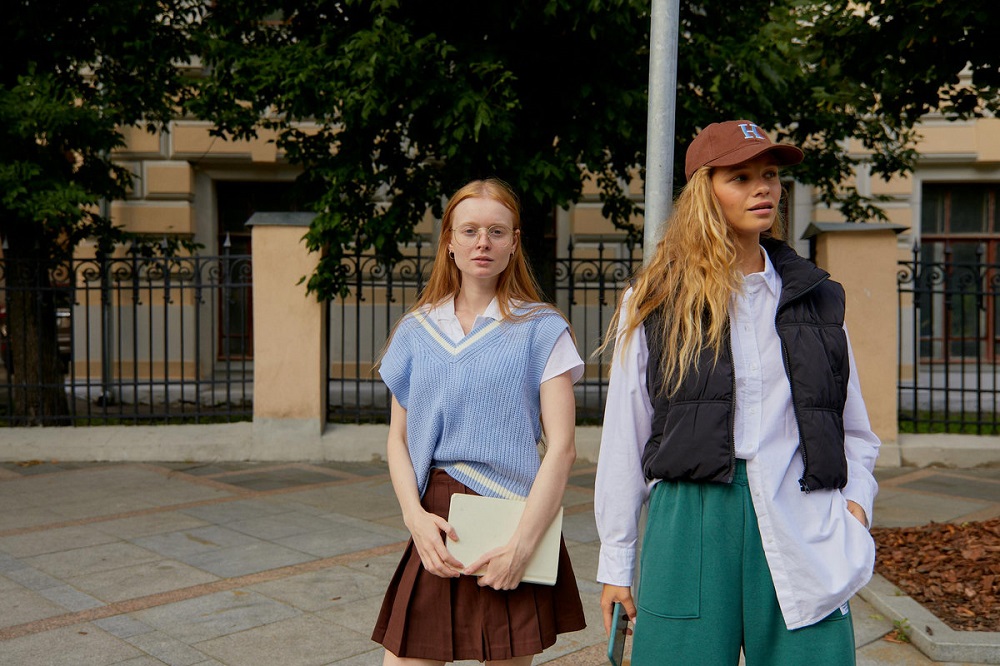
Clothing is often dismissed as a superficial concern, a matter of vanity or fleeting consumer trends. However, the choices people make when getting dressed each morning carry profound psychological weight. What an individual chooses to wear is an immediate, visual manifestation of their internal landscape. It serves as an ongoing dialogue between the inner self and the external world.
Developing a distinct personal style is an act of self-authorship. It allows individuals to project their unique values, background, and creative perspectives without uttering a single word. When a wardrobe transitions from a random collection of garments into an intentional reflection of personal identity, it becomes a powerful source of authentic confidence and an unmistakable declaration of individuality.
Moving Beyond Mainstream Fashion to Find Personal Style
To understand how clothing reflects individuality, one must first establish the critical distinction between the corporate concept of fashion and the deeply personal concept of style.
The Fleeting Nature of Commercial Fashion
Fashion is an external, multi-billion-dollar industry driven by rapid retail cycles, algorithmic social media micro-trends, and mass production. It is inherently temporary and dictated by designers, influencers, and marketing departments. Following fashion requires conformity, as the goal is often to align with a collective aesthetic standard to achieve social belonging. When an individual relies entirely on seasonal retail displays, their wardrobe reflects the current commercial consensus rather than their personal perspective.
The Permanent Blueprint of Style
Personal style, conversely, is an internal, highly customized framework that filters commercial fashion through the lens of individual preference, physical comfort, and lifestyle realities. Style does not change with the seasons. It remains stable because it is anchored in self-knowledge. An individual with a strong sense of style may selectively incorporate modern fashion elements, but they only adopt items that complement their pre-existing visual signature. This selective editing process turns clothing into a declaration of autonomy.
The Psychological Mechanics of Self-Assurance in Clothing
The connection between personal style and human confidence is rooted in a well-documented cognitive phenomenon known as enclothed cognition. This psychological principle proves that the clothing we wear exerts a direct, measurable influence on our emotions, mental performance, and self-evaluation.
When you wear a garment that fits your body precisely, aligns with your values, and matches your aesthetic preferences, your brain internalizes the symbolic meaning of that attire. For instance, putting on a structured blazer, a perfectly broken-in leather jacket, or an intricately patterned textile activates specific behavioral traits associated with those items.
This internal alignment reduces social anxiety and heightens your sense of personal agency. When your outer appearance matches your inner identity, you experience zero cognitive dissonance, freeing up mental energy to focus entirely on public speaking, professional networking, or social engagement.
Cultivating Individuality in a World of Mass Production
Modern consumer culture encourages a high degree of visual homogeneity. Fast-fashion supply chains allow millions of identical garments to be distributed globally within weeks, making it remarkably easy for personal presentation to blend into a generic background. Breaking free from this uniformity requires a deliberate approach to curating a wardrobe.
-
Prioritizing Intentional Textures and Silhouettes: Choosing unconventional garment cuts or rich fabrics like heavy linen, raw denim, and knits immediately differentiates an individual from mass-market synthetic aesthetics.
-
Integrating Heritage and Vintage Elements: Incorporating family heirlooms, thrifted pieces, or historically resonant accessories introduces a layer of narrative depth to an outfit that cannot be replicated by purchasing a pre-packaged corporate look.
-
Customizing and Tailoring Retail Garments: Modifying off-the-rack clothing to fit your specific anatomical proportions signals meticulous attention to detail and self-respect, transforming a standard garment into a unique personal statement.
By treating a wardrobe as an curated personal museum rather than a checklist of temporary trends, an individual ensures their visual identity remains entirely distinct.
Style as a Strategic Medium for Boundary Setting
The way a person dresses also acts as an external boundary system, communicating to the surrounding world how they expect to be treated before a conversation even begins.
Historically, dress codes were utilized to enforce conformity, submission, and rigid institutional hierarchies. In the modern professional and social landscape, deliberate style choices allow individuals to reclaim their personal narrative. For example, an artist who wears structured, monochrome architectural pieces projects a serious, disciplined approach to their creative craft.
Conversely, a corporate executive who integrates bold patterns, unique footwear, or artisanal jewelry into a traditional boardroom setting demonstrates a high level of creative confidence and a refusal to be entirely defined by institutional expectations. In both cases, style functions as a non-verbal tool for negotiating social power and establishing authentic presence.
Frequently Asked Questions
How can someone discover their personal style if they have spent years wearing basic uniforms or generic casual clothing?
Discovering your style requires a systematic process of self-observation and low-risk experimentation. Begin by auditing your current wardrobe to isolate the specific garments that consistently make you feel comfortable, capable, and confident. Look for recurring patterns in color, fabric weight, and silhouette. Next, gather visual inspiration from art, cinema, history, and street culture rather than commercial retail ads, slowly introducing small, non-traditional elements into your daily routine until a distinct personal aesthetic takes shape.
Does building a unique personal style require a massive financial budget?
No. True personal style is independent of financial wealth. High-cost designer labels often encourage reliance on prominent brand logos rather than authentic creativity. An individual utilizing a modest budget can build a highly sophisticated style signature by leveraging thrift stores, vintage outlets, clothing swaps, and local tailors. Focus your resources on securing a few high-quality, durable foundational pieces, and use creative styling, layering, and distinct accessorizing to maximize the utility of your wardrobe.
How should your personal style adapt when your physical body undergoes significant changes?
Changes in body shape, weight, or age should be met with compassion and a shift in styling technique rather than frustration. Style is not about conforming to a rigid anatomical mold, but about creating visual balance, harmony, and comfort for the body you inhabit today. Focus on how fabrics drape and interact with your physical form, selecting silhouettes that provide structural support and physical ease, ensuring your confidence remains undamaged by shifting biological realities.
Can an eccentric or highly unconventional personal style negatively impact professional advancement?
While professional environments have become increasingly flexible, industries like law, finance, and corporate banking still maintain baseline standards of traditional presentation. Navigating this reality does not require abandoning your individuality. You can practice subtle subversion by maintaining the required corporate silhouette, such as a traditional suit, while expressing your unique style through nuanced details like custom lining, distinct neckwear, unique watches, or sophisticated eyewear.
What is the relationship between color choices in personal style and psychological mood?
Color theory plays a vital role in how style communicates internal states. Saturated, cool tones like navy blue and deep emerald green project stability, analytical focus, and calm professionalism. Warm, vibrant shades like terra cotta or deep gold signal creativity, accessibility, and high energy. Choosing a specific color palette allows an individual to subtly influence their own psychological state while setting the emotional tone for their social interactions.
How does a minimalist or capsule wardrobe reflect a person’s individuality?
Individuality is not defined by the sheer volume of clothing you own or the loudness of your patterns. A highly curated, minimalist capsule wardrobe composed of twenty to thirty premium, interchangeable items reflects an identity rooted in intentionality, discipline, and environmental mindfulness. It demonstrates that the wearer possesses a clear, unshakeable understanding of exactly what works for them, intentionally rejecting consumerist excess in favor of a focused aesthetic signature.
