

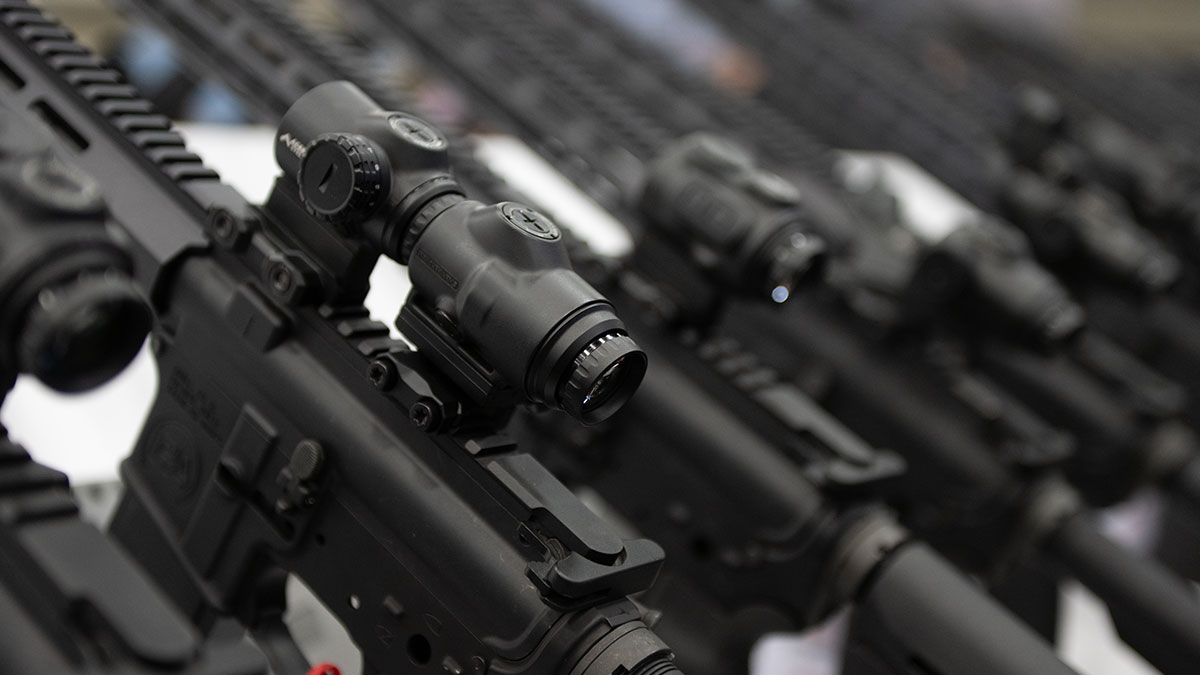
The price tag on a firearm rarely reflects the full cost of ownership. First-time buyers often focus on the number printed on the box, yet long-term responsibility includes training, ammunition, and proper storage. Many prospective students and hobbyists search phrases like Sonoran Desert Institute Worth it because they are weighing value in terms of time, discipline, and practical return on investment. Sonoran Desert Institute (SDI), which is accredited by the Distance Education Accrediting Commission (DEAC), is often part of conversations about structured, skills-based education. That same practical lens belongs in firearm ownership. The true cost extends well beyond the initial purchase.
Understanding these additional expenses early prevents frustration later. A realistic budget supports steady practice and responsible handling. Without planning, the firearm may sit unused due to overlooked costs.
Training and Instruction
Training is one of the most important investments a new gun owner can make. While some individuals begin with informal practice, structured instruction often accelerates safe habit development. Even a single lesson with a qualified instructor can clarify fundamentals and correct early mistakes. Introductory classes, private lessons, and range orientation sessions each carry fees. These costs vary by location and instructor experience. Including training in your initial budget reflects a commitment to disciplined ownership rather than casual experimentation.
Ongoing education may also factor into long-term plans. As skills develop, some owners choose advanced courses to refine their technique. Planning for at least foundational instruction at the beginning supports safer and more confident handling.
Ammunition for Practice
Ammunition represents a recurring expense. Unlike the firearm itself, which is purchased once, ammunition must be replaced regularly to maintain skill. Beginners often underestimate how quickly rounds are consumed during focused practice sessions. Calculating approximate monthly usage helps establish a realistic budget. If a range session involves 100 rounds and you plan to practice twice per month, the annual total becomes clear. Cost per round multiplied over time may equal or exceed the initial purchase price.
Availability also influences cost planning. Common calibers may offer more stable pricing and easier access. Selecting a firearm chambered in widely available ammunition can support consistent practice without prolonged interruptions. Monitoring local supply trends can provide insight into which calibers are reliably stocked. Periodic fluctuations in availability may affect training frequency if alternatives are limited. Factoring these considerations into the selection process helps maintain steady, uninterrupted progress.
Cleaning Supplies and Maintenance Tools
Routine maintenance requires basic cleaning supplies. Solvent, lubricant, cleaning patches, bore brushes, and rods or pull-through systems are part of standard care. These items may seem minor individually, yet they add to the total cost.
Some firearms require specific tools for disassembly or adjustment. A simple set of properly sized screwdrivers or punches may be necessary. Investing in the correct tools prevents damage that can occur when improvised equipment is used. Regular cleaning supports reliability and longevity. Budgeting for maintenance supplies reinforces the understanding that ownership includes ongoing care, not just range use.
Safe Storage Solutions
Secure storage is a critical part of responsible ownership. Options range from compact lock boxes to larger safes designed to hold multiple firearms. Cable locks, often included with new purchases, add another layer of security.
The appropriate solution depends on living arrangements and household needs. Lock boxes may suit smaller spaces, while anchored safes provide added protection. Storage costs vary widely based on size and features. Including storage in the initial budget avoids delay in establishing secure practices. Responsible ownership begins at home, not only at the range. Considering factors such as access speed, fire resistance, and tamper protection can help refine the selection. Evaluating available space and long-term storage needs prevents rushed decisions after purchase. Planning supports consistent, secure handling from the outset.
Protective Gear and Range Fees
Eye and ear protection are essential for safe range practice. While some ranges rent equipment, purchasing personal protective gear often provides a better fit and long-term convenience. Quality ear protection, whether electronic or passive, and durable eye protection represent additional expenses.
Range fees also contribute to the ongoing cost. Many facilities charge hourly rates or membership dues. Planning for these recurring charges supports consistent access to practice environments. Factoring in these elements paints a clearer picture of total ownership cost. Ignoring them can lead to uneven training frequency. Budgeting for regular practice sessions helps maintain momentum in skill development. Evaluating membership options or bundled packages may also reduce long-term expenses. A realistic financial plan supports steady participation rather than sporadic range visits.
Long-Term Value and Planning
Thoughtful evaluation is often part of technical education decisions. Individuals who search Sonoran Desert Institute Worth It are typically assessing whether structured learning delivers practical return on the time and financial commitment involved. Applying that same perspective to firearm ownership means considering more than the upfront cost. It consists of evaluating long-term training needs, ongoing expenses, suitability for intended use, and the responsibility that comes with consistent, informed practice.
A modestly priced firearm paired with regular training and proper maintenance often provides greater long-term benefit than an expensive model that receives limited use. Sustainable practice depends on balanced budgeting across equipment, ammunition, and instruction. Allocating resources toward consistent range time can have a measurable impact on skill development. Routine maintenance also preserves reliability and extends the lifespan of the platform. In many cases, disciplined practice habits outweigh premium features in determining performance outcomes. Thoughtful budgeting supports steady progress without placing unnecessary strain on long-term commitment.
Making an Informed Commitment
Buying a first gun represents more than a transaction. It represents an ongoing commitment to training, maintenance, and safe storage. When these factors are considered from the start, the decision becomes clearer.
Training builds skill, and ammunition allows for the repetition necessary to develop consistency. Cleaning supplies help maintain reliability over time, while proper tools reduce the risk of unnecessary wear or damage during routine maintenance. Secure storage protects both people and property and remains a fundamental part of responsible ownership. Approaching a first firearm purchase with a full understanding of these ongoing components replaces surprise with preparation. A realistic budget supports sustained engagement at the range, and over time, the true value of a firearm is reflected not in its price alone, but in the disciplined practice that follows.
